What is Coronavirus?
Coronavirus is a respiratory virus that affects your lungs and airways. Coronavirus is a highly contagious virus which causes an illness called COVID-19. Some people may experience mild, flu-like symptoms whilst others can develop more serious complications which could pose a risk to life. Coronavirus is still a relatively new illness and there is still much to be learned about it, but in the meantime Governments around the world are taking measures to try and reduce the spread of infection, and protect the most vulnerable people in society.


Who is most at risk?
Anyone can get Coronavirus (COVID-19) but some people may have a higher risk of developing more severe symptoms including the elderly, those with weakened immune systems, and people suffering with underlying health conditions.
These conditions include:

Home blood pressure checks
Suffering from high blood pressure could mean that you are more at risk from the symptoms of Coronavirus. By taking regular readings at home you can ensure that your blood pressure remains at a healthy level, this also removes the need to visit the doctors and pharmacies when demand is high for appointments, and there is an increased risk of contamination.
Shop online for Kinetik Wellbeing blood pressure monitors here.
Find out what your blood pressure reading means using our online blood pressure tool.
If you are concerned about your blood pressure, please contact 111 or your GP.
Blood Oxygen Testing at home
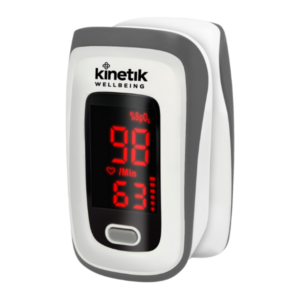
If you suffer from a respiratory condition you may need to monitor your blood oxygen levels from home. Blood Oxygen levels can also fall if your body is fighting off an infection such as flu or Coronavirus, and blood oxygen monitoring is one of the procedures included in Coronavirus testing.
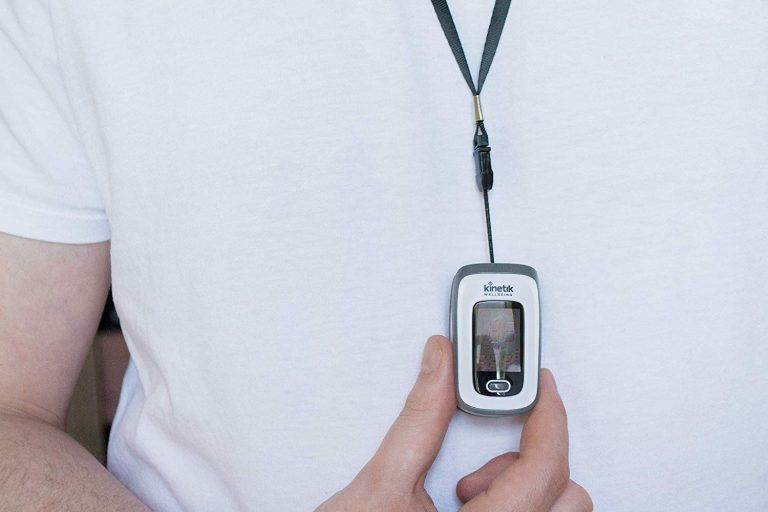
A Finger Pulse Oximeter can help you monitor your blood oxygen and pulse rate from home, you can shop online here.
Read: What is a normal blood oxygen level and why should I test mine?

What else can I do to reduce the risk of infection?
The latest advice from the Government’s Chief Medical Adviser is that elderly people should be self-isolating to reduce their chances of infection.
Older people and their families can contact Age UK for advice and support during the Coronavirus outbreak by calling 0800 169 65 65.
If you have an underlying health condition or a weakened immune system you should take care to reduce your risk of infection. This includes practicing good hygiene and avoiding close contact with others, especially if they are unwell.
If you develop any symptoms, you should remain at home and avoid contact with others. If your symptoms get worse or do not improve after seven days, you should call your GP (do not visit the surgery) or use the NHS 111 service.
Kinetik Wellbeing aims to help you manage and monitor your health in the home, you can shop for our health devices at www.kinetikwellbeing.com
Information sources on Coronavirus for people with existing health conditions:
Information for Diabetes sufferers: Diabetes UK Information from the Lung Foundation Information on managing mental health: Mind Charity