Check your resting heart rate
Enter the number of beats in one minute while you are at rest. The calculator shows whether that reading is high, low or average for an adult, and how it compares with typical ranges.
Use a pulse oximeter, a blood pressure monitor, or count the beats at your neck or wrist. This is guidance, not a diagnosis.
Resting heart rate
What the number is telling you
Resting heart rate is how many times your heart beats in one minute when you are still, usually while awake. It typically dips lower overnight.
People often track it to see the effect of training on cardiovascular fitness. An increased rate can also be a sign of a medical condition or a severe infection. Medication and caffeine can affect it too.
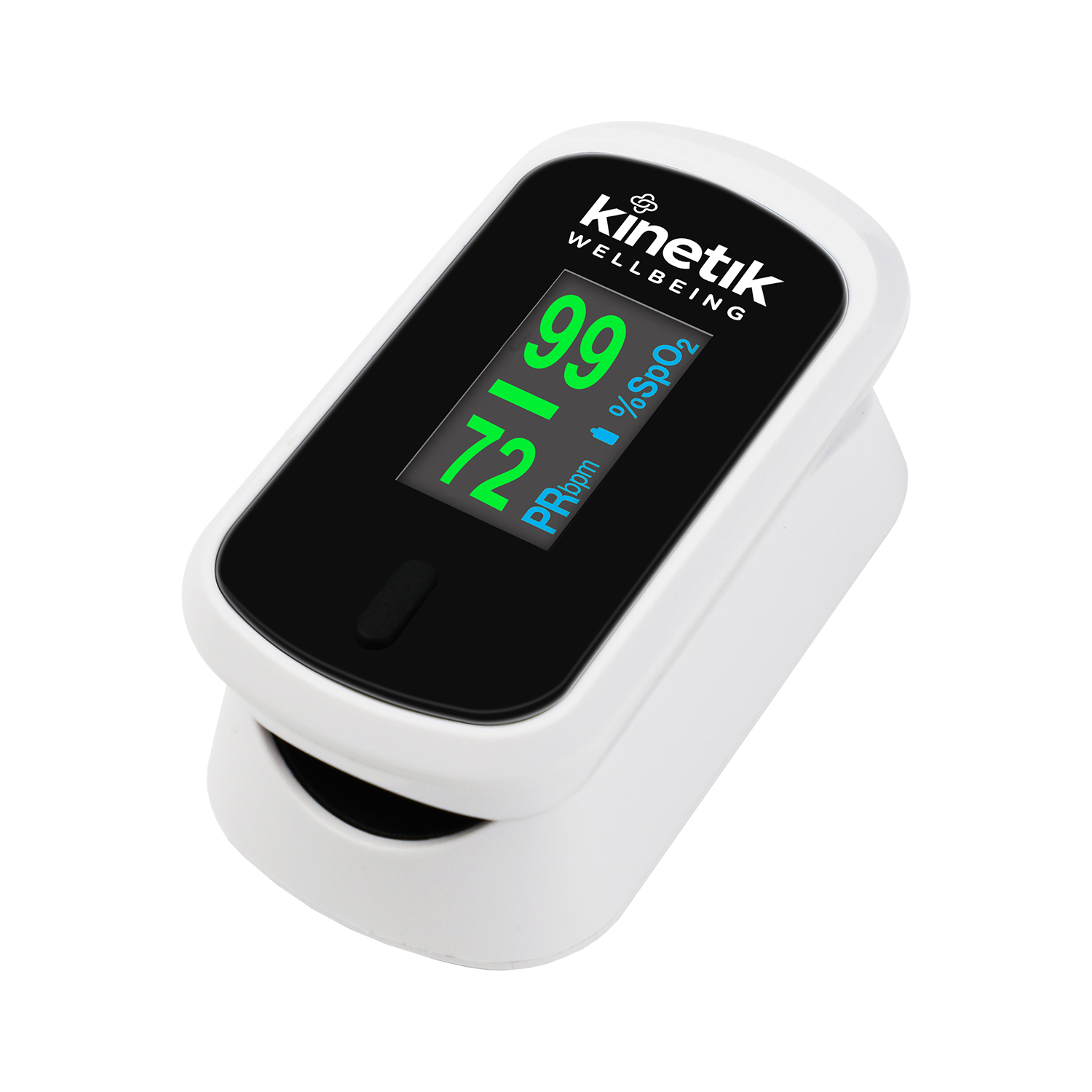
How to check your pulse
On the neck, place the pads of your index and middle fingers about halfway between your ear and chin, a couple of finger-widths below the jaw. On the wrist, rest your non-dominant hand palm up and press lightly on the thumb side. Count beats for a minute, or for 30 seconds and multiply by two.
NHS guidance: how to check your pulse.
A target rate when exercising
For moderate exercise, 50–70% of maximum heart rate. For vigorous activity, 70–85%. Maximum heart rate is 220 minus your age. Listen to your body as well as the numbers.
From about 12 years old, a typical resting range is 60–90 bpm.
Common questions
Devices, warning signs, and what a low reading can mean.
If you feel unwell with an unusual heart rate — lightheaded, short of breath, or chest pain — seek prompt medical attention. Call 999 for severe symptoms, or your GP or 111 for less severe ones.