Calculate your BMI
This calculator is provided by the NHS. Enter your measurements to see whether the result sits in the underweight, healthy, overweight or obese range, and what that can mean.
BMI is a starting point for discussion with a doctor, not a perfect measure of health. If you are under 18, use the child’s BMI tab on the NHS tool.
BMI
What the result can miss
Body mass index uses height and weight to estimate whether you are a healthy weight. It cannot tell fat from muscle.
Older adults and women can have a healthy BMI and still carry too much fat. People from Black, Asian and minority ethnic groups have increased type 2 diabetes risk from a BMI of 23. Very muscular adults may be labelled overweight. If you are pregnant, use your pre-pregnancy weight.
What your result means
Underweight can mean you are not eating enough or may be ill. Healthy weight means keep going. Overweight is best addressed with diet and exercise in a calorie deficit. Obese means see a GP and look at NHS obesity guidance. If you have an eating disorder, these results do not apply — speak to a GP.
Children’s BMI
For ages 2–18 the calculator uses age and gender as well as height and weight, expressed as a centile: underweight on the 2nd centile or below, healthy between 2nd and 91st, overweight 91st or above, very overweight 98th or above. See a GP if you are concerned. NHS guidance on underweight children and very overweight children.
Waist size and home scales
Why the tape measure still matters, and how a body composition analyser can help at home.
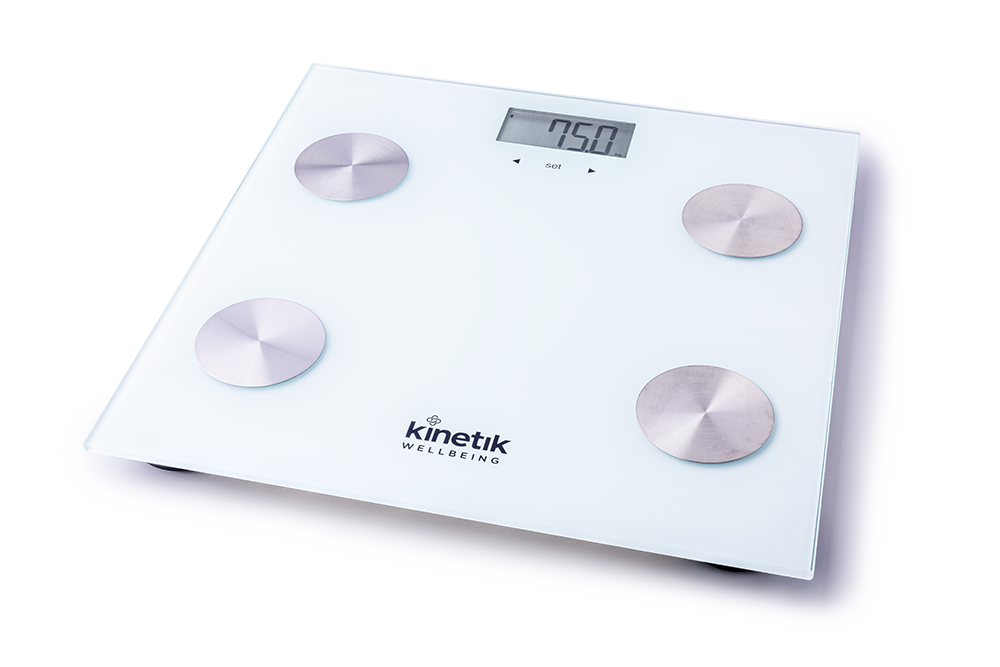
Bluetooth digital scales can track weight and full body composition, including BMI, with memory for multiple users.