Check a temperature reading
Enter your age and the number on your thermometer. The calculator places the reading in a typical range for that age and flags when it may be a fever or too low.
A normal temperature is generally 36.1°C to 37.4°C. It is also possible to have a serious infection with a normal temperature, especially in older adults. Seek medical attention if symptoms concern you, even with a normal reading.
Thermometers
How to take a reading by age
NICE guidance: do not routinely use oral or rectal thermometers in children under 5. Infants under 4 weeks: an electronic thermometer in the armpit. Children 4 weeks to 5 years: electronic or chemical-dot thermometer in the armpit, or an infrared tympanic thermometer.
Forehead chemical thermometers are unreliable for healthcare professionals. Parental perception of a fever should be taken seriously. Our thermometers meet the relevant ISO clinical directives, and some are used by the NHS.
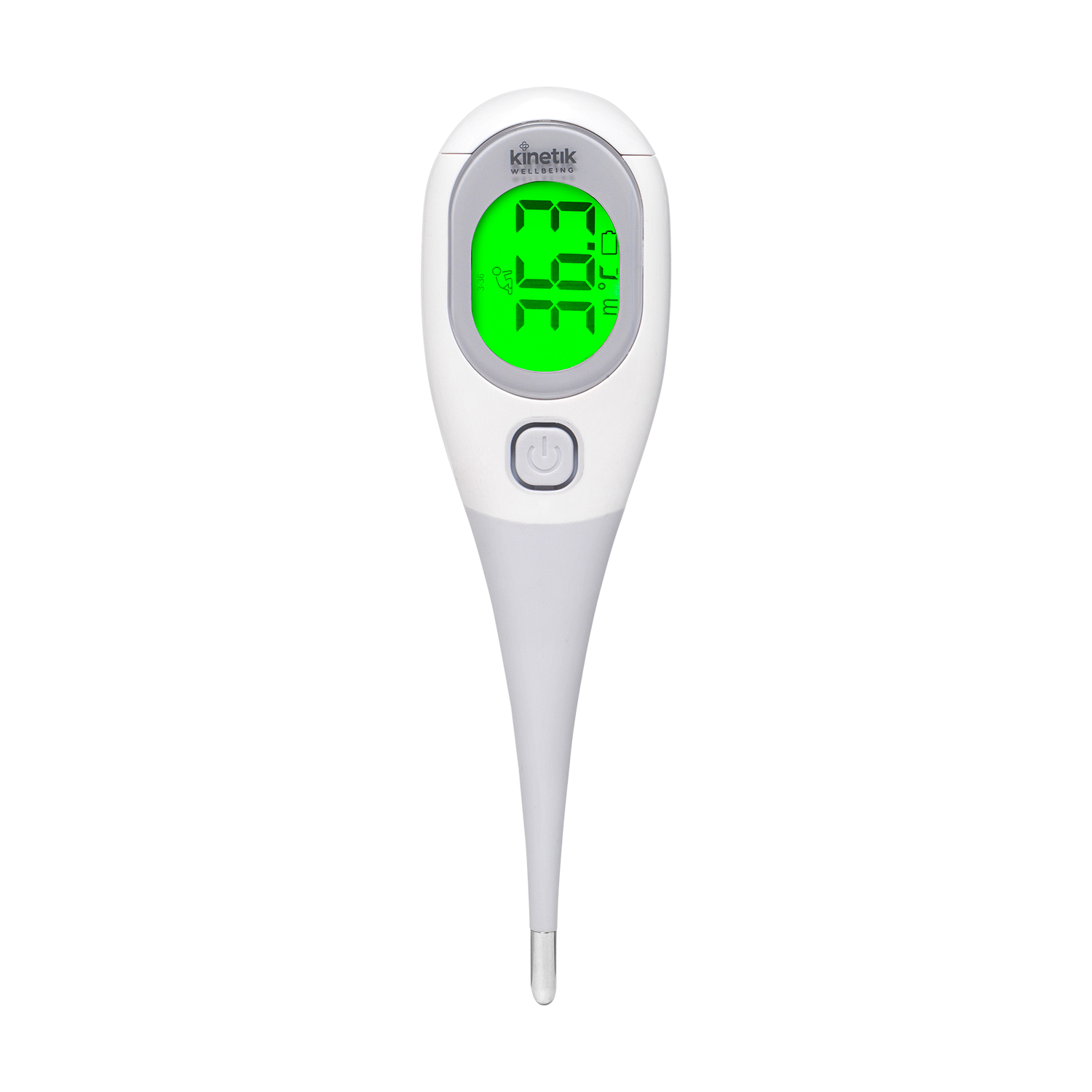
What temperature is a fever?
A low-grade fever is usually 37.5°C–37.9°C. A fever is 38.0°C or higher. Symptoms without a thermometer can include feeling hot and sweaty, chills, shivering (rigors), feeling generally unwell, reduced appetite and reduced energy.
High temperature in children
Watch activity, fluid intake and nappies or wees. Under 3 months with a fever, especially 38.0°C or higher, usually needs prompt medical attention. Age 3–6 months with 39.0°C or higher is also concerning. Medicine to reduce a fever is not always needed if the child is comfortable and drinking.
When to get help
Low readings, hypothermia, and when to dial 999 or 111.
Further advice: fever in children.