Estimate your heart age
This NHS test compares your heart age with your real age. Enter as much detail as you can. You must be at least 30 years old to complete it.
A resting heart rate of 60 to 100 beats per minute is considered normal for most adults. Increasing cardiovascular fitness generally reduces resting heart rate. A highly trained athlete may be closer to 40 bpm.
Heart health
When a heart rate is too high or too low
A heart rate over 100 bpm is considered high. Maximum heart rate is roughly 220 minus your age. If your heart rate is elevated compared with normal for you, even if it is under 100, and you feel unwell (lightheaded, short of breath, feverish, confused or chest pain), seek prompt medical attention. Call 999 for severe symptoms, or your GP or 111 for less severe ones.
Athletes commonly sit between 40 and 60 bpm. If your rate is under 60 and you are not an athlete, you may have bradycardia. Symptoms can include chest pain, confusion, dizziness, tiring easily, fatigue, fainting and shortness of breath. See a clinician urgently if you think you have these symptoms.
Heart attacks
Common signs include pressure, tightness, pain, heaviness or a squeezing sensation in the chest or arms that may spread to the neck, jaw or back. Some people only get pain in those other places. Nausea, vomiting, shortness of breath, cold sweats, fatigue and sudden dizziness can also occur.
Heart palpitations
Palpitations mean the heart feels like it is beating to a different rhythm: faster than normal, missing the odd beat, or missing lots of beats. Causes range from benign to serious. New palpitations are usually worth speaking to a doctor about. If they come with feeling unwell, lightheaded, short of breath or chest pain, seek emergency care.
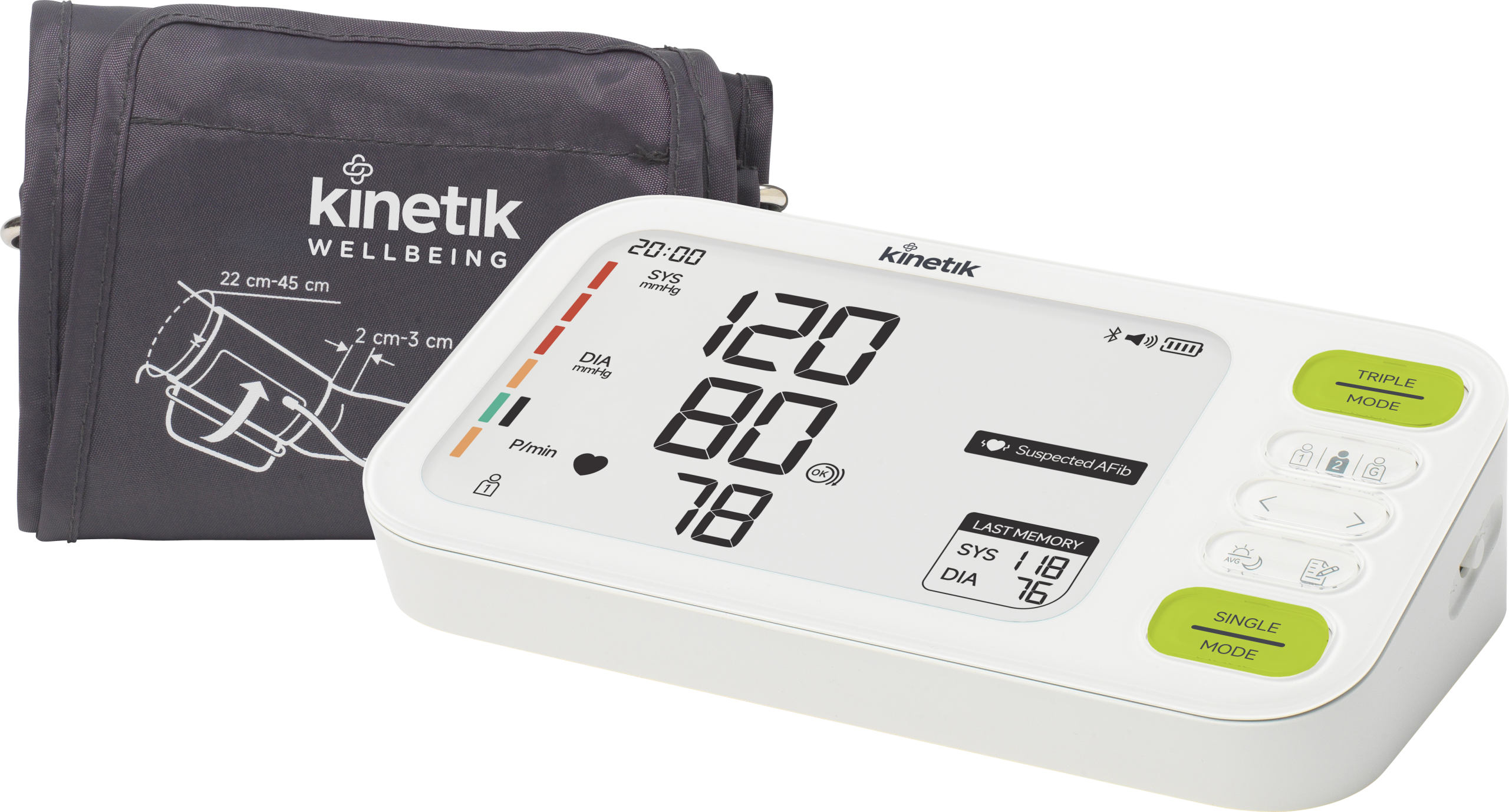
One cause is atrial fibrillation (AF), where the atria contract in an uncoordinated way. Untreated AF can lead to clots, stroke or arterial embolism.
Conditions that affect the heart
Strokes, valves, heart failure and cardiovascular disease.
Remember FAST for stroke: Face may have dropped on one side; Arms may be weak; Speech may be slurred or absent; Time to dial 999 if you see any of these signs.